

Running a bus in Australia means carrying more than a vehicle — it means carrying responsibility for the people inside it. Whether you operate a school run, a charter service, a community transport programme, or a sightseeing tour, the insurance requirements attached to passenger transport differ significantly from those of a standard commercial vehicle. Understanding those differences before you buy a policy is far easier than discovering them after an incident.
This guide covers what bus insurance in Australia should include, how operator type shapes your coverage needs, what affects the cost of your premium, and the coverage gaps that catch operators out most often.
Why Bus Insurance Is Different From Standard Commercial Vehicle Cover
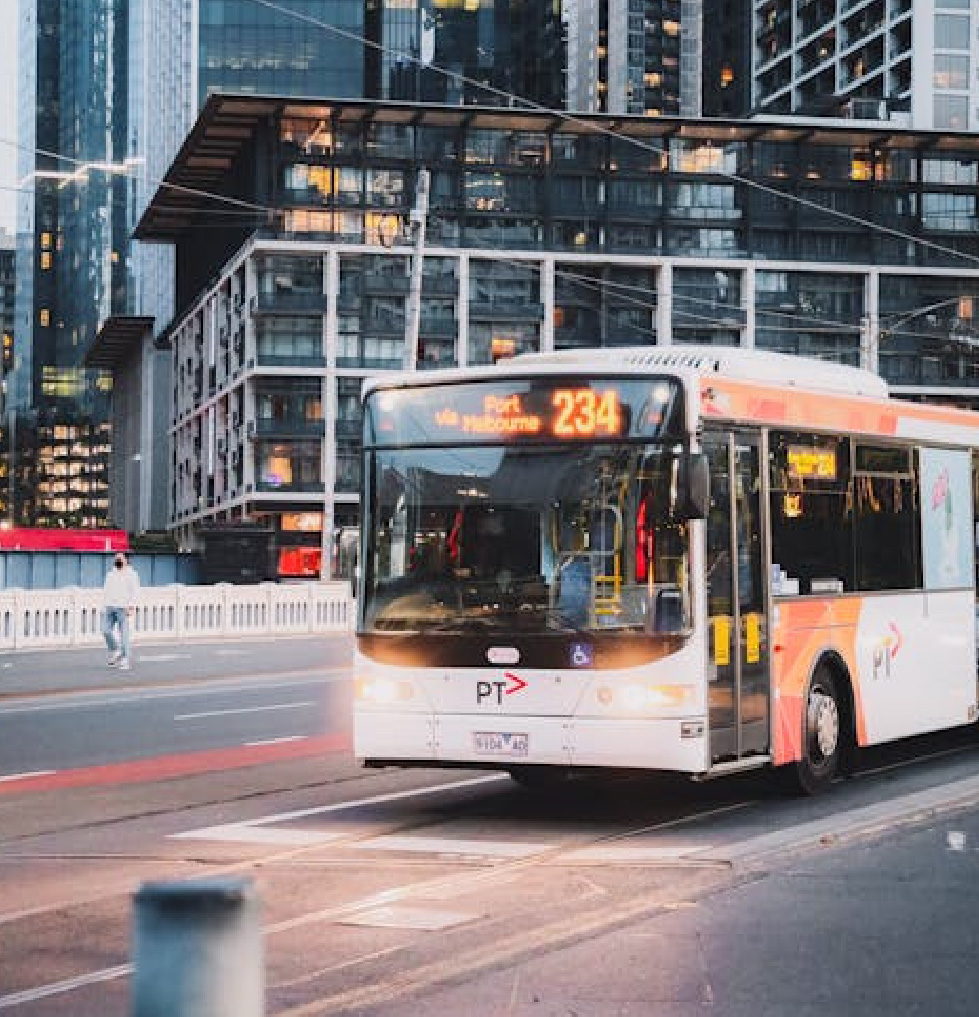
A standard commercial vehicle insurance policy is built around the risks attached to moving a vehicle on public roads — collisions, theft, third-party property damage. For a bus, those same risks exist, but they come with an additional layer: the legal and financial exposure created by carrying passengers.
The moment passengers are involved, insurers assess the risk profile of an operation very differently. Duty of care obligations increase, the potential liability per incident rises significantly, and compliance requirements tied to passenger transport accreditation come into play. A policy that does not reflect those realities may cover the vehicle but leave the business exposed in ways the operator may not realise until a claim is already underway.
Insurance decisions should also be considered alongside operational structure. A solo owner-driver running a single community bus faces different risk exposures than a fleet operator running multiple school routes. Understanding which category you fall into — and what that means for coverage — is the starting point for buying the right policy.
Operator Types and How Coverage Requirements Differ
Bus insurance is not uniform across the industry. How your operation is structured directly determines what coverage you need, how insurers will assess your risk, and what premium factors will apply.
Transporting students creates a heightened duty of care and often triggers state-specific accreditation requirements. Passenger liability cover is generally non-negotiable, and policy minimums may be specified by the contracting school or transport authority. Driver accreditation requirements also affect how insurers assess the operation.
Variable routes, changing passenger demographics, and the possibility of interstate travel introduce risk factors that standard policies may not automatically address. Cover for stranded passengers — including emergency accommodation — is worth considering for operators running long-distance or remote routes.
Operators serving vulnerable passengers — including those under NDIS or aged care arrangements — face elevated liability exposure. Policies should explicitly confirm that passenger liability cover extends to the specific passenger demographics being served, as some policies contain restrictions that are not obvious from standard wording.
Businesses running multiple buses benefit from fleet insurance arrangements that consolidate cover under a single policy. Fleet policies can simplify administration and may unlock pricing advantages — but should be reviewed carefully to ensure all vehicle types and uses within the fleet are correctly declared.
Passenger Liability: The Coverage Most Operators Underestimate
Passenger liability cover protects a bus operator against compensation claims arising from injury or death sustained by passengers during transit. In Australia, compulsory third party (CTP) insurance provides some level of passenger injury protection, but CTP limits and scope vary by state — and CTP alone is unlikely to fully address the exposure a commercial bus operator carries.
Public liability covers injury or property damage to people outside the vehicle. Passenger liability specifically protects against claims made by passengers inside the vehicle. Bus operators typically need both, and the distinction matters when reviewing what a policy actually covers. Assuming one provides the other is a common and costly mistake.
A dedicated passenger liability extension within a bus insurance policy provides cover beyond CTP for claims made directly against the operator. For any business transporting passengers commercially, this is not an optional extra — it is a core component of appropriate coverage. Operators who have not specifically confirmed that passenger liability is included in their current policy should check before they need to use it.
What Bus Insurance Typically Covers
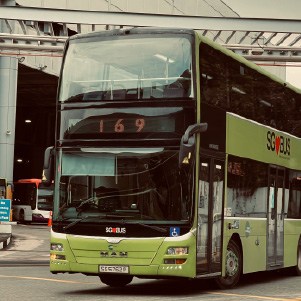
Core bus insurance coverage generally includes protection against accidental damage to the vehicle, fire, theft, and third-party property damage. Beyond those fundamentals, the structure of a bus policy will depend on what additional endorsements or inclusions are added.
- Accidental damage and collision — covers repair or replacement of the bus following an at-fault or not-at-fault incident
- Third-party property damage — protects against damage your bus causes to other vehicles or property
- Fire and theft — standard inclusions in most comprehensive bus policies
- Passenger liability (as an endorsement) — coverage for claims from passengers injured during transit
- Loss of income / downtime cover — compensates for income lost while the vehicle is being repaired following a covered incident
- Driver personal accident — cover for the driver in the event of injury, separate from vehicle damage coverage
- Emergency travel and accommodation — relevant for charter and long-distance operators whose passengers may be stranded following a breakdown
Not all of these inclusions are automatic. Many require specific endorsements and should be confirmed with a broker who understands how bus operations work in practice — not just how the standard policy wording reads on paper.
What Affects the Cost of Bus Insurance in Australia
Bus insurance premiums are influenced by a combination of vehicle, operational, and risk factors. Understanding these helps operators assess whether their premium reflects their actual risk profile — and identify areas where adjustments might influence pricing at renewal.
Larger capacity buses and older vehicles attract higher premiums due to repair costs and historical claims patterns in those segments. Seating capacity directly influences the potential liability exposure per incident.
A clean driving record and current passenger transport accreditation positively influence premium assessment. Multiple drivers on a policy will each be assessed individually, and the overall driver pool quality matters.
Urban routes carry higher traffic-density risk. Remote and regional routes introduce different exposures — longer distances from repair services, weather event risk, and limited roadside assistance availability.
A low or claim-free history works in your favour at renewal. Frequent claims or high-value incidents within a short period can significantly affect pricing. Understanding your excess structure helps you decide when to claim and when to self-manage smaller costs.
Queensland Bus Operators: Specific Considerations
Queensland bus operators are subject to requirements under the Transport Operations (Passenger Transport) Act 1994, administered by the Department of Transport and Main Roads. Operator accreditation conditions may specify minimum insurance coverage levels, and policies should be reviewed to confirm they meet those requirements. Accreditation renewals are a logical trigger point to review insurance coverage at the same time.
Queensland's geographic range also introduces route-specific considerations that operators in more densely populated states may not face. For operators running regional routes, insurance policies should be checked for any geographic exclusions that may limit coverage in remote areas — and for how the policy responds to weather events including flooding, which is a genuine operational risk across parts of Queensland. Learn more about truck and commercial vehicle insurance in QLD and how specialist brokers approach state-specific considerations.

Common Coverage Gaps Bus Operators Should Check For
Even operators who believe their policy is adequate sometimes encounter gaps when a claim is lodged. The areas most commonly overlooked include situations that fall just outside standard policy wording — and which a specialist broker would typically flag during a policy review.
If your operations change — new routes, different passenger types, additional vehicles, or a change in how the bus is used — your insurer should be informed. Many claim disputes arise from the insurer's position that the policy does not reflect actual operations at the time of the incident. Keeping your insurer updated is not optional; it is a condition of coverage. This applies to all commercial transport operators, not just bus operators. Read more about commercial vehicle insurance and disclosure obligations.
- Downtime income loss — if your bus is off the road for repairs, income stops but fixed costs continue. Standard policies often do not automatically include this cover.
- Driver personal accident — cover for the driver themselves, separate from vehicle damage, is not always included and is particularly important for owner-operators with no separate income protection.
- Unspecified use changes — adding a new type of passenger service (e.g. adding disability transport to a school bus operation) without notifying your insurer may compromise coverage.
- Assumed passenger liability — operators who assume passenger liability is automatically included in a comprehensive policy without specifically confirming it are taking a significant risk.
If you are unsure whether your current coverage addresses the risks relevant to your operation, speaking with a specialist broker who understands the transport industry is the most effective way to find out. Unlike a direct comparison tool, a specialist can assess your specific situation and identify potential gaps before they become problems. Explore how commercial vehicle insurance can be structured to fit your actual operational requirements.
Frequently Asked Questions
Trusted by Australian Bus Operators
Cover Built Around Your Operation
Speak with a specialist who understands how bus businesses actually work
- Passenger liability, downtime cover, and fleet options explained clearly
- Specialist advice for school, charter, NDIS, and community transport operators
- Same-day quotes for single buses and multi-vehicle fleets