
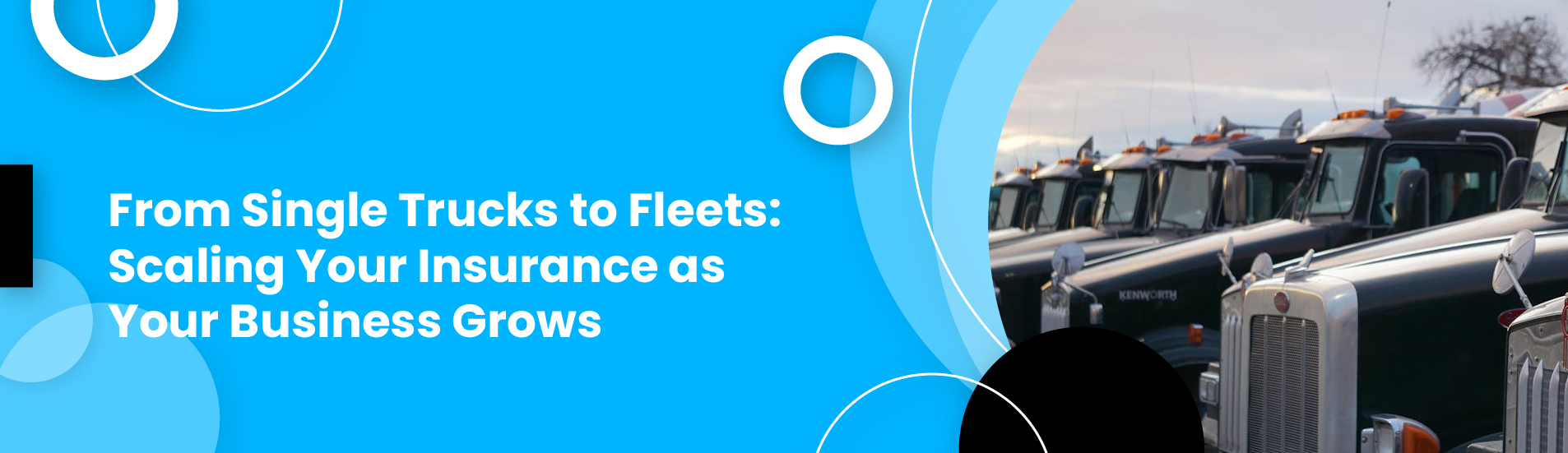
For many Australian transport operators, the journey starts with a single truck and a determination to build something of their own. But as contracts grow and opportunities multiply, so does the complexity of keeping your business properly protected. What works for a sole owner-driver quickly becomes inadequate the moment a second or third vehicle joins the operation.
Understanding how your insurance needs evolve — and acting on it before a gap is exposed — is one of the most important things a growing transport business can do.
Starting Out as an Owner-Driver
When you're operating a single truck, your insurance priorities are relatively straightforward: protect the vehicle, protect your liability, and protect your income if the truck is off the road. Small truck insurance for owner-drivers typically needs to cover:
- Comprehensive vehicle cover — agreed value or market value, depending on the age and spec of your truck
- Public liability — protecting you if a third party suffers loss connected to your operations
- Downtime cover — replacing lost income while your truck is being repaired after an insured event
- Goods in transit — if your freight type requires it, cargo protection from the moment it's loaded
At this stage, the biggest risk isn't overpaying — it's underinsuring. A single major incident can end the business entirely if the policy doesn't respond the way you expect.
Adding Your Second Truck
The moment you add a second vehicle to your operation, your risk profile changes significantly. You now have two income-generating assets on the road, likely a driver employed or contracted, and the potential for two simultaneous incidents or claim events.
Adding a second truck to an existing single-vehicle policy isn't always the right move. Depending on your insurer, separate policies may carry better terms and excess structures for each vehicle type. A specialist broker can compare the options and find what actually saves you money without compromising cover.
Key considerations when adding a second vehicle include driver history and licence conditions, the type of work each truck is doing, whether vehicles share routes or operate independently, and how cargo cover applies across both vehicles. This is also the right time to consider whether a truck insurance broker could save you time and money by managing both policies in one place.
Making the Move to a Fleet Policy
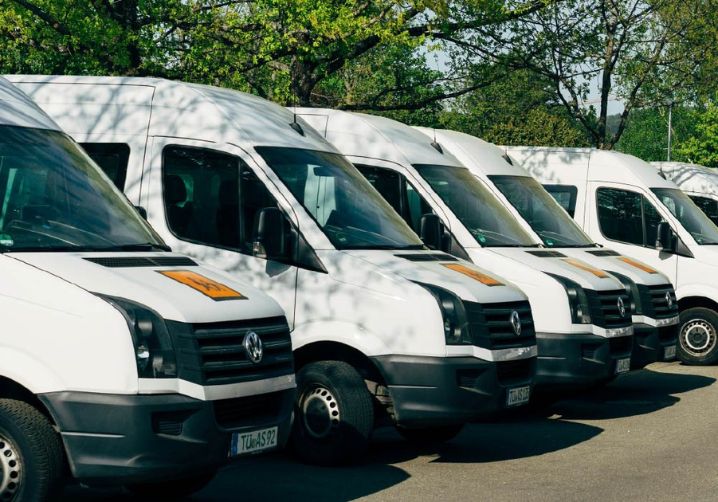
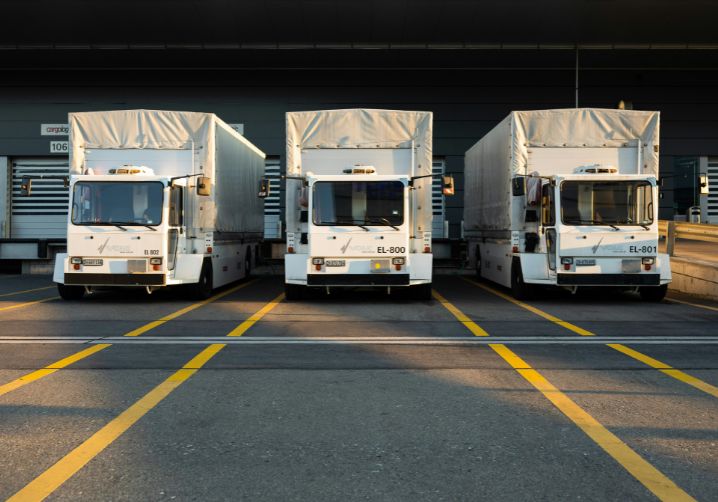
Once you're operating three or more vehicles, a dedicated fleet truck insurance policy typically becomes the most efficient and cost-effective approach. Fleet policies consolidate your coverage under a single arrangement, simplify renewal management, and often unlock better premium rates due to the volume of vehicles insured.
Managing multiple individual policies means multiple renewal dates, documents, and payments. A fleet policy consolidates this into one annual review — saving time and reducing the risk of a vehicle slipping through without cover.
Insurers typically offer better rates on fleet arrangements. The more vehicles under a single policy, the greater the leverage you have at renewal. Operators with strong claims history can negotiate meaningfully on pricing.
Fleet policies can include any-driver provisions, removing the need to list and update individual drivers every time your team changes — particularly useful for businesses with rotating staff or casual drivers.
Adding a new vehicle to a fleet policy is straightforward. Rather than setting up a new policy from scratch, you notify your broker and the vehicle is added — often with same-day cover available.
What Changes in Your Coverage as You Scale
As your fleet grows, the type of cover you need evolves beyond simply insuring more vehicles. Larger operations introduce new risk categories that single-vehicle policies don't typically address.
Once you employ drivers, workers' compensation becomes a legal requirement in most states. This is entirely separate from your vehicle policy and needs to be in place before your first employee starts work.
As you invest in newer, higher-spec vehicles — including prime movers or heavy trucks — agreed value cover becomes more important. Market value policies can leave a significant gap on expensive assets where depreciation matters.
More trucks means more freight on the road simultaneously. As cargo volume increases, so does the potential exposure from a single incident. Carriers cover and goods-in-transit limits should be reviewed to match your current load values.
Single-state operators who expand into interstate routes need to confirm their policy covers all jurisdictions. Operators running routes through Queensland and across state lines should verify coverage applies wherever their trucks travel.
Gaps That Appear as You Scale
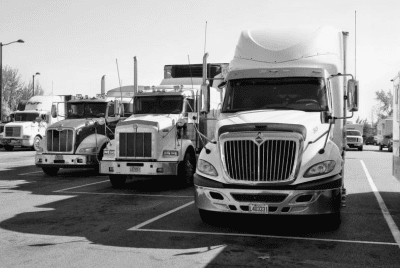
Growth often happens faster than insurance reviews. These are the most common coverage gaps that emerge as transport businesses expand — and the ones most likely to be discovered only after an incident.
New vehicles added without notifying the insurer; drivers not listed or not meeting policy age/licence requirements; cargo limits not updated to reflect higher freight values; routes extending beyond originally declared geographic areas; and downtime cover not reflecting the full income value of a multi-vehicle operation. Each of these can result in a claim being reduced or denied.
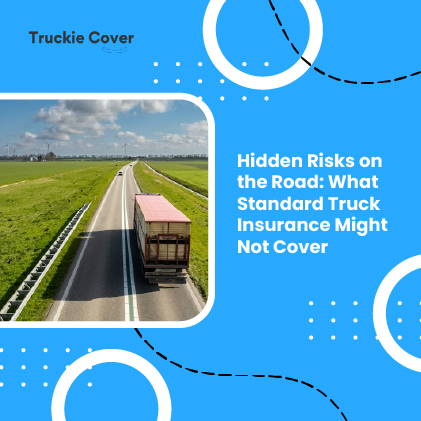
It's also worth understanding the hidden risks that standard policies may not cover — many of these become more pronounced as your operation grows and your exposure multiplies across multiple vehicles and routes.
When to Review Your Policy
A policy review shouldn't only happen at renewal. There are specific trigger points in a growing transport business that should prompt an immediate insurance review, regardless of where you are in the policy year.
- Adding any new vehicle to the fleet — even temporarily
- Employing your first driver or expanding your driving team
- Taking on a new major contract that changes freight type or route
- Expanding operations into a new state or region
- Upgrading to heavier vehicle types such as a prime mover or semi-trailer
- Significant increase in cargo value or freight type
Working With a Specialist Broker
As your operation grows, so does the complexity of getting insurance right. A specialist truck insurance broker adds real value at every stage — not just at policy inception, but through active management of your coverage as your fleet evolves.
Brokers compare across multiple insurers simultaneously, finding coverage that matches your specific fleet composition, freight type, and operational routes — not just the cheapest generic policy.
When a claim is lodged, a broker acts on your behalf — managing the process, challenging coverage decisions, and working to get your trucks back on the road as quickly as possible.
A good broker doesn't wait for renewal to reach out. They track changes in your business and ensure your policy always reflects your current risk profile — not last year's operation.
Transport industry specialists understand the nuances of trucking operations — from heavy vehicle compliance to fatigue management regulations — and structure cover accordingly.
Planning Your Next Stage of Growth
Whether you're running your first truck or managing a growing fleet, the principle is the same: your insurance should always reflect where your business is today — not where it was when you first took out a policy. For a deeper overview of what to look for at every stage of your policy journey, our comprehensive truck insurance guide is a practical starting point.
The businesses that scale successfully in the transport industry are the ones that treat insurance as a live, evolving part of their operations — not a set-and-forget annual task. Getting this right gives you the confidence to take on new contracts, new vehicles, and new routes knowing you're protected at every kilometre.
Trusted by Australian Truckies
Ready to Scale? Let's Make Sure Your Cover Keeps Up
From single trucks to full fleets — Truckie Cover grows with you
- Cover tailored to your fleet size, type, and routes
- Dedicated brokers who understand Australian trucking
- Same-day quotes — get covered without the hassle