

Running a transport business in Australia comes with its fair share of risks. Whether you operate a single vehicle or manage an entire fleet, your trucks are the backbone of your livelihood. That's why choosing the right truck insurance policy isn't just a formality — it's a critical business decision that can protect your income, assets, and long-term stability.
With so many policy types, coverage options, and insurers available, it's easy to feel overwhelmed. This guide breaks down exactly what to look for so you can make a confident, informed decision.
Understanding the Basics of Truck Insurance
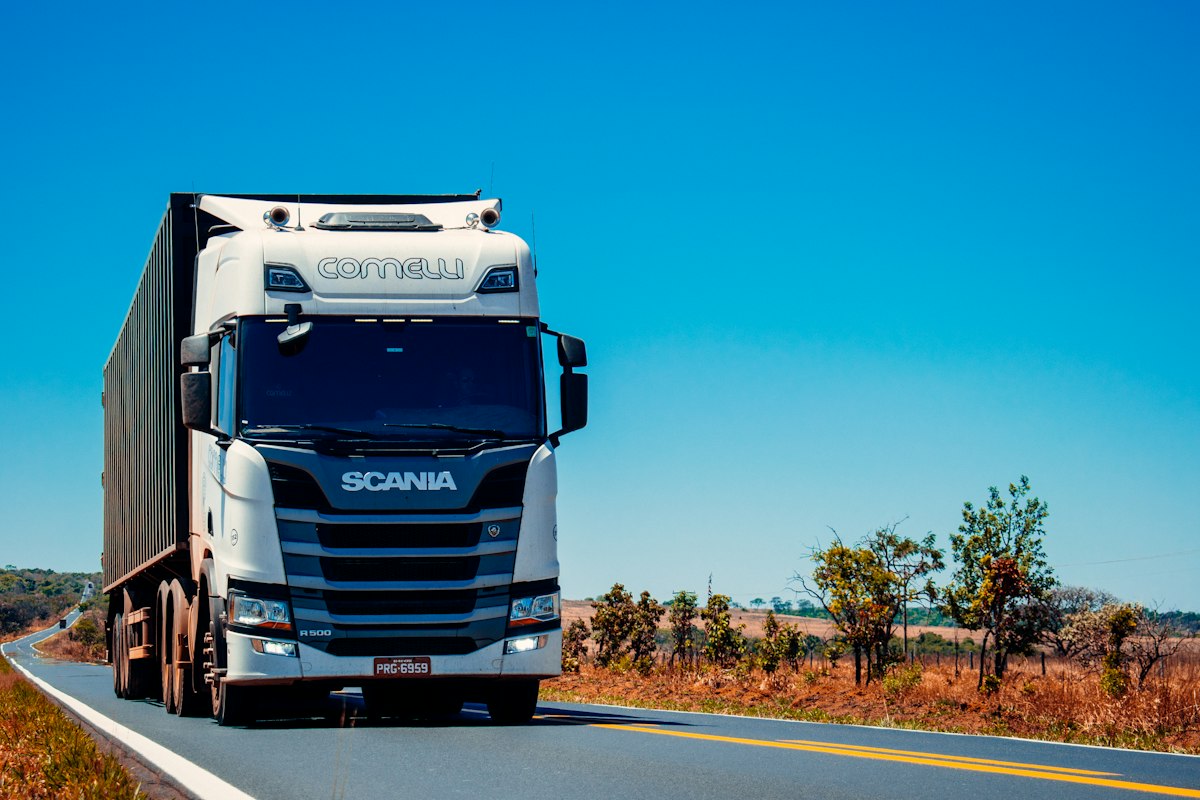
Before diving into comparisons, it's important to understand what truck insurance typically covers. At its core, truck insurance is designed to protect your vehicle, your liability on the road, and your business operations.
- Comprehensive cover — protection against accidents, theft, fire, and weather damage
- Third-party liability — covers damage to other vehicles or property if you're at fault
- Fire and theft — a more targeted option focusing on those specific risks
- Downtime cover — compensation for lost income while your truck is off the road
- Optional extras — trailer cover, goods in transit, roadside assistance, and more
Assessing Your Business Needs
No two trucking businesses are the same, so your insurance policy shouldn't be either. The first step is honestly assessing your unique operations and risk profile.
Prime movers, rigid trucks, tippers, refrigerated vehicles — each carries different risk profiles and coverage needs. Identify what you operate before approaching an insurer.
Local delivery and long-haul interstate routes carry very different risks. Remote operations may require additional breakdown and recovery coverage.
High-value goods, dangerous materials, or refrigerated cargo all require tailored goods-in-transit cover. Generic policies may leave you exposed.
Fleet operators benefit from bundled multi-vehicle policies, while owner-drivers need cover that protects their sole income source if their truck is off the road.
Comparing Coverage Options
Once you understand your needs, the next step is comparing policies carefully. It's not just about the premium — coverage is where the real value lies.
Agreed value policies lock in a fixed payout amount — ideal for newer or high-spec trucks where depreciation would otherwise significantly reduce your claim. Market value policies fluctuate based on age and condition and often result in lower payouts than expected.
What's not covered is just as important as what is. Always confirm exclusions around load type, driver age, vehicle modifications, and geographic limits before signing.
A lower premium may come with a significantly higher excess. Calculate the realistic cost of both scenarios and choose the balance that protects your cash flow.
As your business grows, so do your needs. Choose a policy you can adjust — adding vehicles, updating cargo types, or expanding your coverage limits without penalty.
Never accept the first quote. Comparing several policies from reputable insurers gives you leverage and ensures you understand the market rate for your specific risk profile.
Industry-Specific Risks You Can't Ignore
The transport industry faces risks that standard vehicle insurance simply won't address. Choosing a policy built for trucking operations — not just cars and vans — makes all the difference.
Driver fatigue incidents on long-haul routes, breakdowns in remote outback areas, load shifting or load loss, extreme weather events, and fuel theft are all risks specific to the transport sector that require purpose-built coverage.
- Load damage or loss — especially for high-value, fragile, or perishable cargo
- Remote breakdown cover — recovery costs can be substantial in regional Australia
- Driver fatigue incidents — some policies exclude incidents where hours-of-service rules are breached
- Construction & mining sites — higher-risk environments may require specialised cover

Evaluating the Insurer
Not all insurers are created equal. The provider you choose can make a major difference when a claim needs to be settled quickly so you can get back on the road.
Seek insurers who specialise in — or have deep experience with — truck and fleet insurance. They'll understand the nuances of your industry and price risk more accurately.
Every day your truck is off the road costs you money. Ask about typical claim resolution timeframes and whether they offer interim replacement vehicle assistance.
Australian-based support teams understand local regulations, road networks, and weather conditions. Avoid insurers whose claims teams are overseas and unfamiliar with your environment.
Ask fellow operators for recommendations. Online reviews from actual trucking businesses give you a realistic picture of how an insurer performs when it counts.
Legal Requirements in Australia
Certain types of insurance are legally required for truck operators in Australia. Requirements can vary between states and territories, but you should always ensure your policy covers the mandatory minimums. Read more about why adequate insurance is vital for compliance and road safety.
- Compulsory Third Party (CTP) — mandatory in every state and territory before registration
- Workers' Compensation — required if you employ drivers or subcontractors in most circumstances
- Public Liability — often required by clients or site access agreements
- Dangerous goods compliance — specific requirements apply if you transport hazardous materials
Balancing Cost & Coverage
Truck insurance should be viewed as a business investment rather than just another overhead. A cheaper policy might save money upfront, but leave you exposed to significant financial loss when a claim arises.
If you also need public liability, workers' comp, or goods-in-transit cover, bundling policies with the same insurer can yield meaningful premium discounts.
Your business changes every year. An annual review ensures your coverage still matches your operations, avoids over-insurance, and keeps you competitive on premiums.
Reviewing & Updating Your Policy
Your business won't stay the same forever — and neither should your insurance. As your operations grow, your risks and coverage needs will evolve. Make it a habit to review your policy regularly, especially when:
- You purchase new trucks, upgrade your fleet, or add a semi-trailer to your operations
- Your business expands into new regions or interstate routes
- You change the type of goods or loads you transport
- You take on additional drivers or subcontractors
- Market conditions shift significantly — premiums and products change
Trusted by Australian Truckies
Don't Risk Your Rig — Or Your Business
Get tailored truck insurance with Truckie Cover
- Comprehensive cover built for Australian transport
- Specialists who understand the trucking industry
- Fast quotes — get covered today